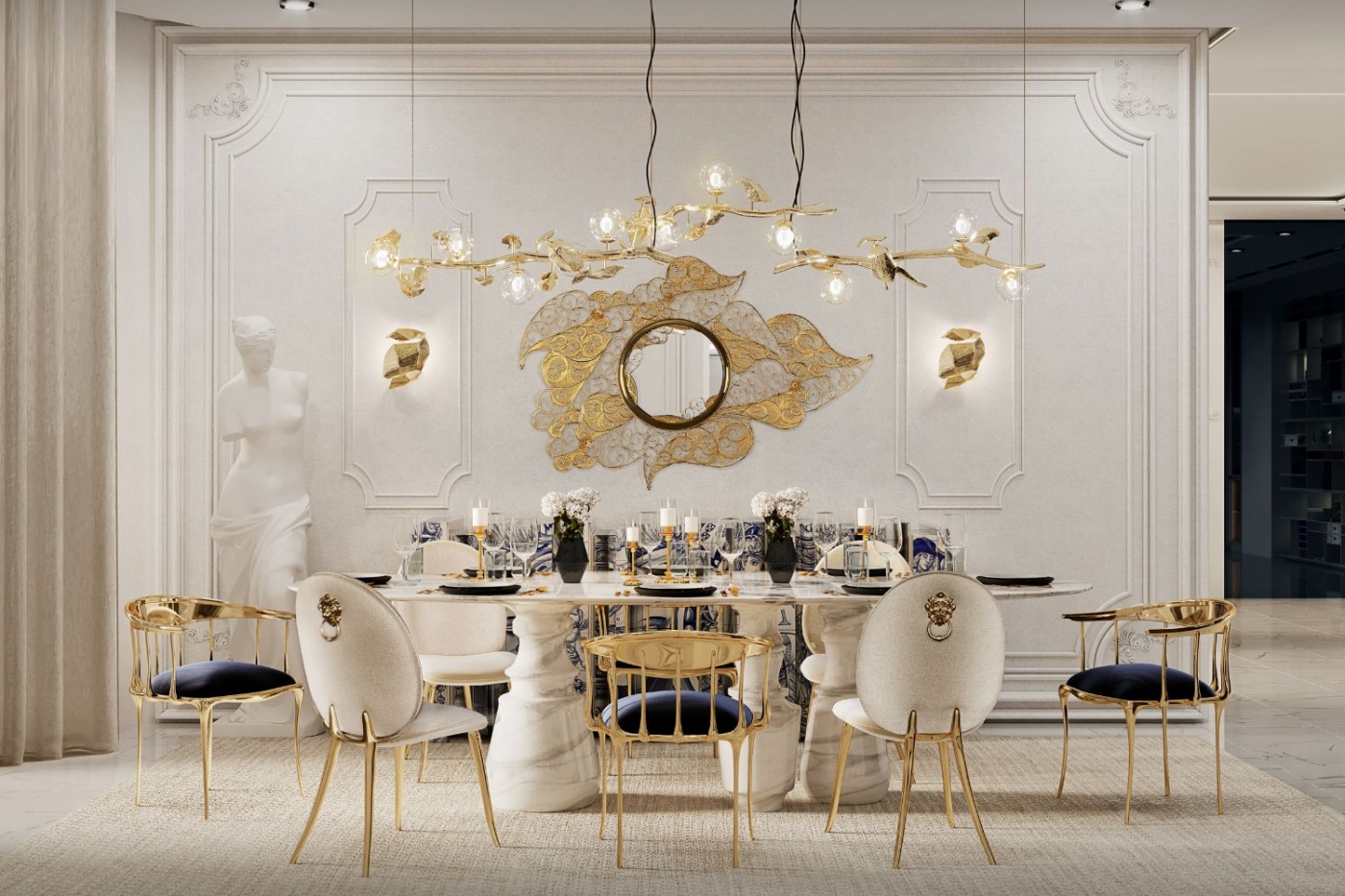
Modern Lighting and Its Role in Contemporary Interior Design
Modern lighting has become a defining element in contemporary interior design. Rather than serving only a functional purpose, lighting now plays a critical role in shaping atmosphere, reinforcing architectural intent, and supporting how spaces are used throughout the day. Clean lines, controlled light output, and purposeful placement characterize modern lighting strategies.
As interiors evolve toward simplicity and clarity, lighting follows the same principles. Modern lighting emphasizes precision over decoration, ensuring that light enhances space without overwhelming it.
Modern Lighting as a Design Approach
Modern lighting is often associated with restraint and intentionality. Instead of ornate fixtures or excessive brightness, modern lighting focuses on clean forms, refined materials, and controlled illumination. This approach allows lighting to integrate seamlessly with architecture rather than compete with it.
Designers prioritize how light interacts with surfaces, volumes, and circulation paths. Fixtures are selected not for visual dominance, but for how effectively they support the overall spatial composition.
The Influence of Modern Lighting in Contemporary Spaces
In many contemporary interiors, lighting choices are closely tied to architectural language. Linear lighting, recessed fixtures, and indirect light sources are commonly used to reinforce structure and geometry.
Designers sourcing modern lighting solutions from curated collections, such as those found at https://standardshop.ca/, often focus on consistency in form, finish, and performance. This ensures that lighting supports the space as a whole rather than appearing as an isolated element.
Materiality and Form in Modern Lighting Design
Material selection plays a key role in modern lighting. Metals, glass, and composite materials are chosen for how they diffuse, reflect, or soften light. Matte finishes reduce glare, while translucent materials create even, comfortable illumination.
Modern lighting fixtures often feature minimal profiles, allowing materials and proportions to take precedence. This results in lighting that feels integrated rather than applied after the fact.
Functionality and Adaptability in Modern Lighting
Beyond appearance, modern lighting prioritizes function. Designers consider light distribution, glare control, and adaptability to different uses and times of day.
Dimmable systems, adjustable fixtures, and layered lighting strategies are frequently used to ensure flexibility. A modern lighting plan supports work, relaxation, and transition without requiring major changes to the space.
Modern Lighting in Residential and Commercial Interiors
In residential interiors, modern lighting contributes to calm, uncluttered environments. Soft ambient light, combined with discreet task and accent lighting, supports daily routines while maintaining visual clarity.
In commercial spaces, modern lighting helps define identity and user experience. Offices benefit from balanced, glare-free lighting that supports focus, while retail and hospitality environments use controlled illumination to guide attention and create atmosphere.
Modern Lighting as a Foundation for Contemporary Design
Modern lighting reflects a broader design philosophy centered on clarity, intention, and longevity. By focusing on form, material, and performance, modern lighting supports interiors that feel cohesive and functional over time.
When lighting is treated as an integral design element rather than an afterthought, spaces become more adaptable, comfortable, and visually resolved. Modern lighting does not demand attention, but its impact is felt throughout the experience of the space.